



AI is affecting all marketing strategies. It’s making content creation easier (regardless of the content format) than ever. But are businesses really benefiting? The jury is still out on that question.
Some brands are capable of making gains from using generative AI. Others are simply finding that AI slop does not meet their content creation standards.
But the most prominent effect AI has on content marketing outcomes? It appears to reduce the amount of web traffic websites can attract. This is primarily due to search engine features, like Google’s AI Overview.
Now, you may be wondering: Is content marketing worth the investment in 2026 and beyond? Especially if it can’t generate as much inbound traffic as before?
The answer is simple. Great content will always yield results. And the only thing that’s changed with AI is that the content creation process needs to evolve. Ideally, that would be aligned with user behavior.
This post reviews the best content formats that work in the age of AI. It outlines AI’s influence on how people use the internet for research. Furthermore, the guide explores how language learning models (LLMs) generate answers to user questions and how you can optimize your content to earn valuable website traffic.
Highlights
- Clarity is key — both for humans and AI. Prioritize it in your writing and formatting for enhanced content visibility.
- AI tools evaluate resources based on authority. Invest in blog posts that reflect your brand’s experience and expertise.
- Several content formats work for AI visibility. Explore opportunities to include them in your online presence — not just your company blog.
- Don’t sacrifice clarity and value for the sake of volume. That won’t help you stand out in the age of AI.
Is AI changing the way people use the internet?
Absolutely. Recent data suggests that the number of global AI platform users is continually growing. Moreover, specific AI features (like Google’s AI Overview) have an impressively wide reach, with approximately 2 billion monthly users.
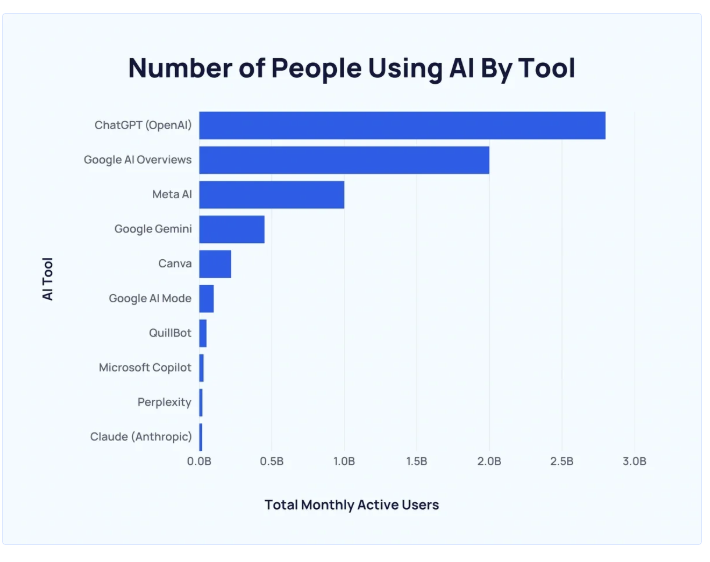
But how does this affect brands trying to reach and engage target audiences? Well, it may be making it harder for you to attract quality web traffic.
AI makes it possible for people to get concise and (somewhat) helpful answers to their questions. And it enables this without forcing users to visit branded websites or blogs. This could explain why web traffic is declining.
Nevertheless, this shift in web user behavior is not a signal that content marketing and search engine optimization are done for. Brand discovery still predominantly happens through search engines. It’s just a sign that businesses looking to boost reach need to adapt how they produce and distribute content.
To build the best content creation strategy for the age of AI, you must understand how AI answers user questions.
How does AI generate answers to user questions?
The first thing to understand about AI is that it doesn’t inherently have infinite knowledge. Instead, it just scours the internet for information, which it’s exceptionally good at summarizing.
If you want AI tools and platforms to reference your content, you have to make it visible to them. This means incorporating generative engine optimization (GEO) into your content marketing strategies. It also helps to understand what AI tools look for when choosing resources to reference.
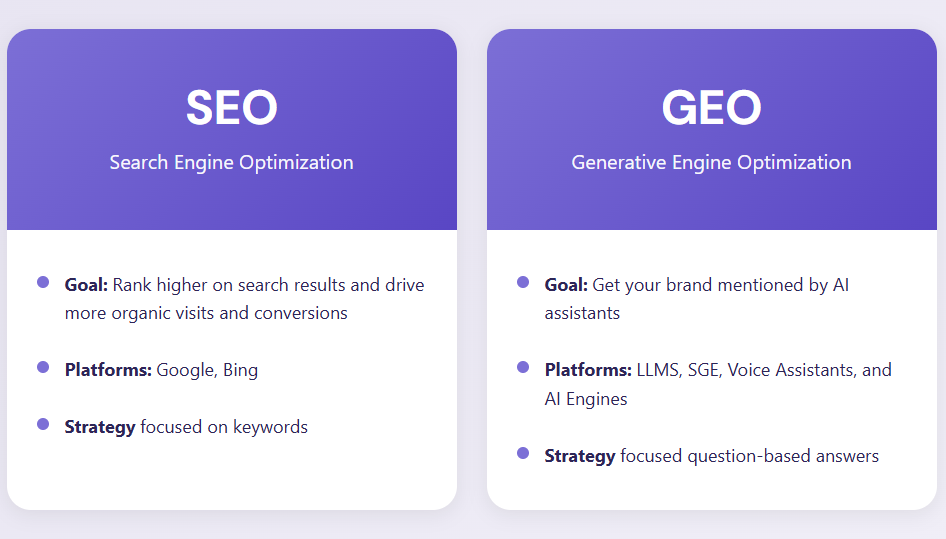
When in need of external information, AI platforms evaluate resources based on:
- Authority and expertise — they often prioritize established publications and official sources.
- Specificity — they prefer direct answers to questions over lengthy text.
- Structure — content organization hugely aids GEO.
- Timely relevance — newer blog posts get priority over outdated pages.
- Consistency with other sources on the same topic — in case of disagreement between multiple sources, AI will usually favor recent or official publications.
What doesn’t AI use for references?
The one thing AI doesn’t do yet is consume multimedia content.
Videos are only useful to it if they come with detailed transcripts. The same goes for podcasts with in-depth show notes. Multimedia (and visual content) alone is practically invisible to AI.
Best content formats that work in the age of AI
As of 2026, AI is still not a primary source of web traffic. In fact, Conductor suggests that only about 1% of all web traffic comes from AI referrals.
Nevertheless, AI is a disruptive force in the traditional buyer’s journey because it’s replacing the first touchpoint between consumers and brands.
Essentially, LLMs are making it just a tad more difficult for brands to reach new prospects. But, for some businesses, they also offer new opportunities to build brand awareness.
Choosing the right content formats in the age of AI is crucial for visibility and discovery. The following are some of the best content types for your brand and products to appear in AI answers and AI Overviews.
1. Snippet-based content formats
Content snippets are one of the best content types to invest in for AI visibility.
These short explanations are directly helpful to readers. More importantly, they provide LLMs with instantly usable information that’s self-contained, non-ambiguous, and easy to quote.
There are several types of snippets you can incorporate into your content for GEO.
Direct definitions
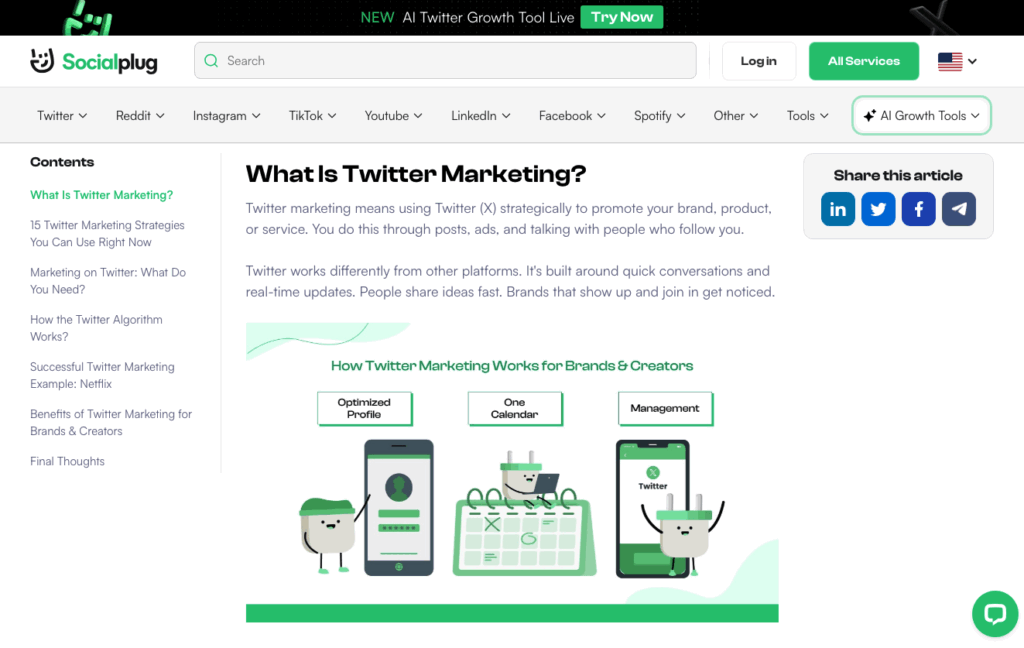
Definition snippets explain concepts to readers in a way that maximizes understanding. They’re an ideal addition to awareness-stage content. Most importantly, they’re easy to produce and include in existing resources. That’s why brands like Socialplug use them in their content. In the example above, you can see how the brand defines the concept of Twitter marketing strategy for its target audience of business owners.
To get the most out of direct definition snippets:
- Use short paragraphs and sentences.
- Employ bold formatting for relevant keywords.
- Avoid any linguistic ambiguity.
TL;DR sections
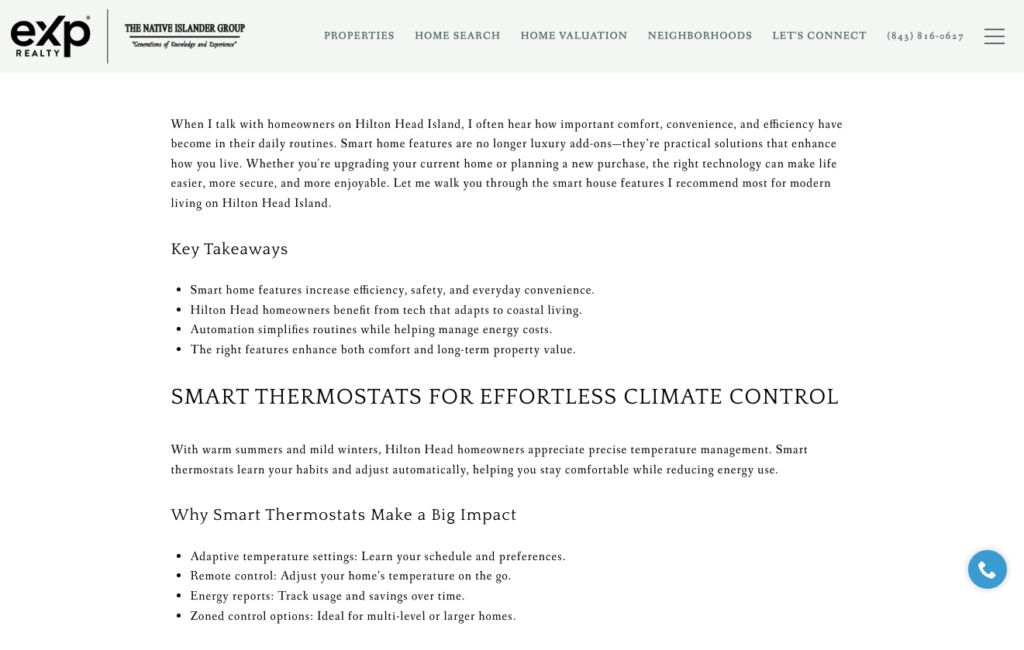
TL;DR sections are a content format that works great for AI visibility. They summarize key points within an article. Additionally, they’re highly usable by LLMs as they provide clear and concise answers to user questions.
The example above comes from John Sells Hilton Head, where the business uses bullet points and summaries to communicate key concepts. Then, it connects multiple such snippets with narration.
To make TL;DRs a part of your content strategy:
- Provide readers with direct answers to their questions.
- Use short sentences and simple language.
- Avoid vague language and teasers.
- Include TL;DRs at the top of your article (just after or right before the introduction).
Direct comparisons
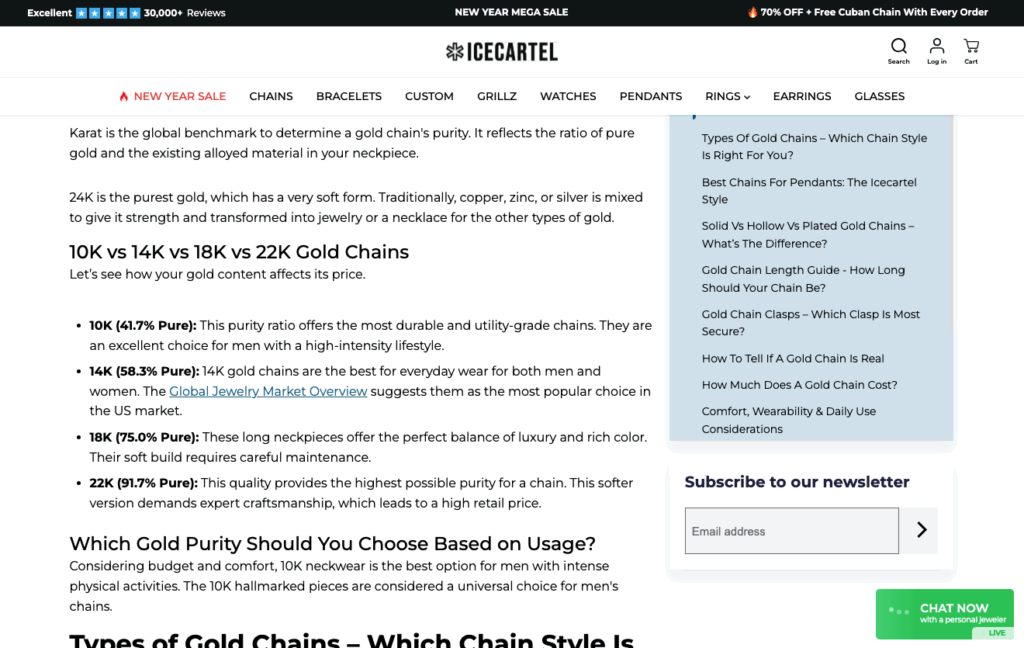
Many people use AI for product research, particularly during the evaluation stage of the buyer’s journey. During this time, consumers compare two or more solutions to choose the one that fits their needs.
Direct comparison snippets — such as those in the Beginner-Friendly Gold Chain Buying Guide from Icecartel — help shoppers throughout the process. Additionally, they help AI tools generate answers by providing concise and standalone summaries of the differences between several options.
For maximizing direct comparison generative engine optimization:
- Provide direct answers without requiring context.
- Address use-case and application.
- Separate them visually for a clear content structure.
2. Q&As
People use AI in different ways. In 2025, therapy and companionship, life organization, purpose discovery, and learning ranked among the top four use cases for generative AI.
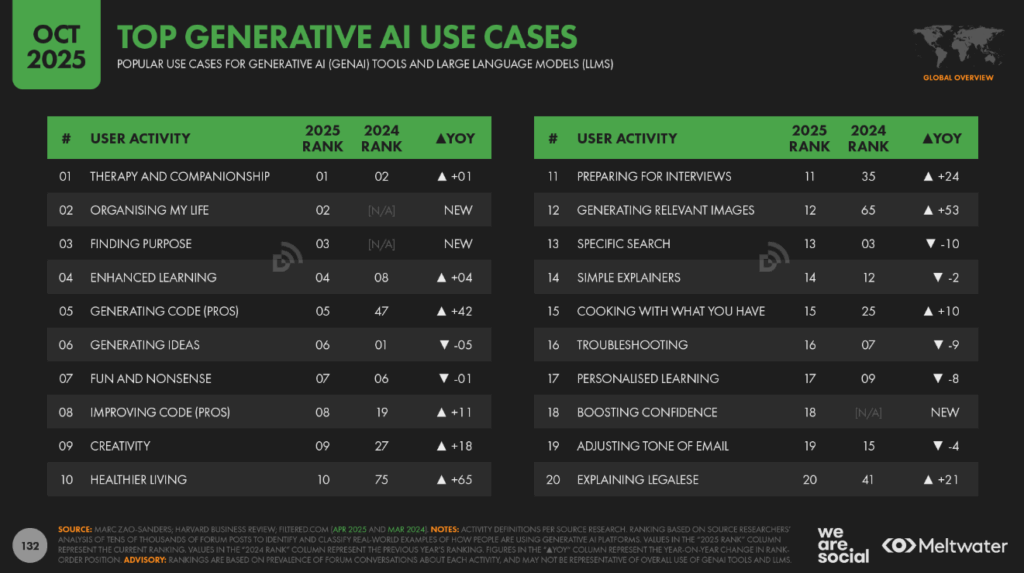
However, while the purposes of these inquiries differ, their format remains consistent. It relies on interaction, most commonly in the form of questions and answers.
If people expect AI tools to provide them with answers to their questions, it’s only logical that LLMs will scour the internet for content that matches those questions in the first place.
With this in mind, Q&As are one of the most efficient content types for AI visibility. And this is particularly true for resources where both parts of the equation (the question and the answer) are direct.
FAQs
To help AI tools discover and reference your content, incorporate Frequently Asked Questions into your online presence.
The great thing about this type of content is that it’s likely already a part of your content strategy. And even if it’s not, it’s relatively easy to produce. The one key thing to pay attention to is directness.
Focus on addressing your target audience’s most frequently asked questions and concerns. And be precise with your answers.
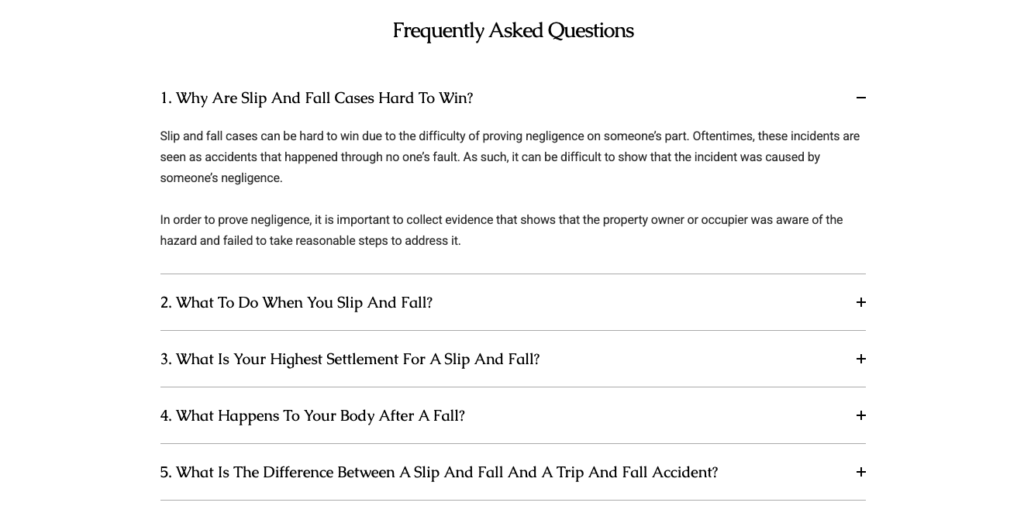
The FAQ section on the Slip and Fall Accidents page by Freeburg Law is a great example of what this content type can look like in your GEO strategy. The content does a tremendous job of helping potential clients understand the challenges of winning slip-and-fall cases.
However, it’s also worth noting that this type of clear and direct content appeals to LLMs. It’s full of value for readers and a great resource for AI tools. It contains helpful, easy-to-summarize information that’s easy to paraphrase into user-centric content.
Answer Forums
On-site Q&A content is a great investment for GEO. But it’s also worth exploring opportunities to distribute such resources off-site.
For instance, Q&A platforms like Quora and Reddit are popular among web users seeking information. And while AI doesn’t directly scour them for answers (it prefers official and data-backed content), it does use these platforms to figure out how users pose questions.
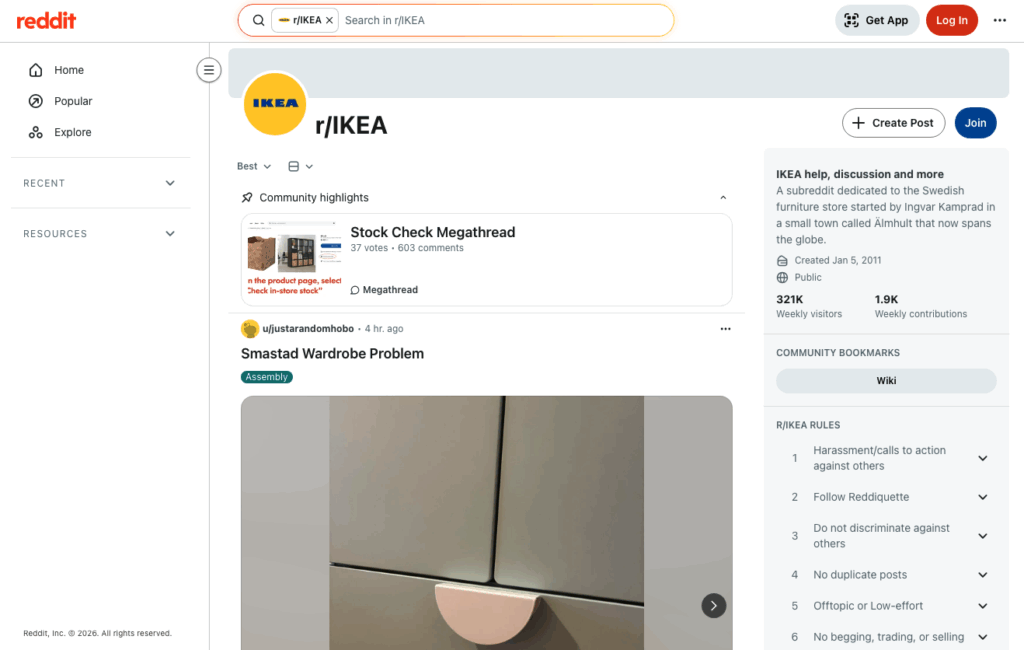
The subreddit dedicated to IKEA questions and answers is an excellent example of how this content strategy works in real life. The original purpose of the subreddit was to provide clients with convenient customer service. Moreover, it aimed to connect users with fellow consumers for maximum knowledge shareability.
However, in the age of AI, the forum (and the entire platform, for that matter) took on a new purpose. For starters, Reddit grew into a training ground for LLMs to enhance communication. Additionally, AI tools make heavy use of the platform to find answers. This is because Reddit provides real-time and user-generated information that’s genuinely valuable to humans.
3. Content formatted for clarity
While discussing content types that work in the age of AI, it’s impossible not to mention the importance of formatting in making specific resources attractive to LLMs.
We’ve already discussed the fact that most AI tools prefer simplicity and clarity. These characteristics are easy to achieve with basic concepts (such as definitions). Nevertheless, more advanced explanations inevitably require more depth. In such cases, formatting can aid machine-readability in content marketing.
Tables
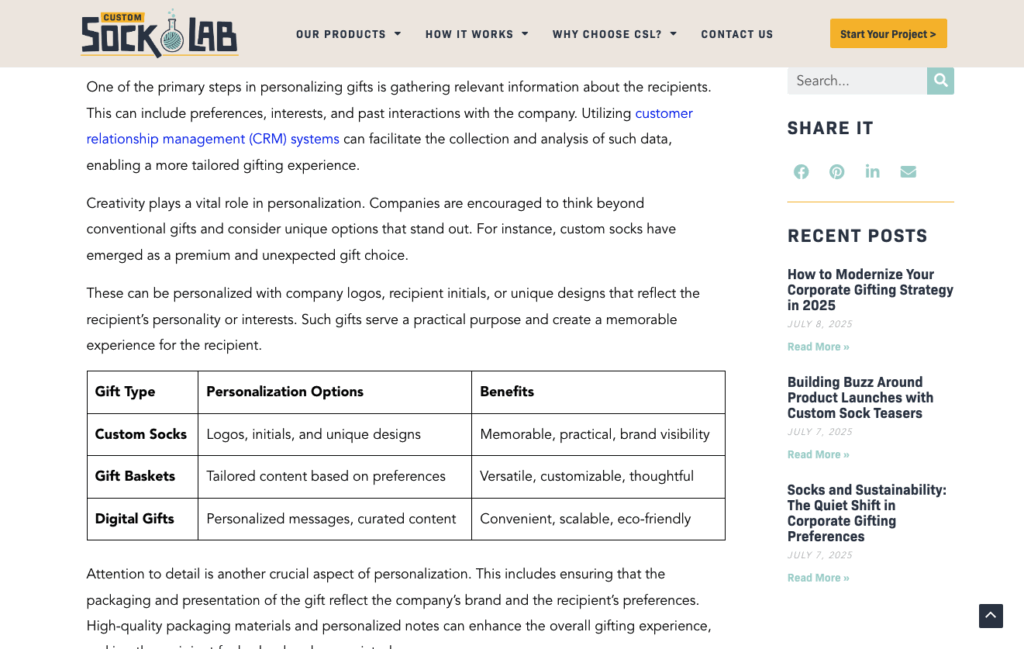
Content structure is one of the most essential signals AI tools use to generate answers to customer questions. And what’s more structured than an unambiguous table that breaks down a topic with maximum precision?
Tables communicate concepts with clarity. The one above from Custom Sock Lab is a great example. These resources can be an exceptional addition to existing content. But you can also use the format independently—especially when covering niche topics where clarity improves audience comprehension and AI-friendliness.
Lists and bullet points
When it comes to text posts, many of the strategies that work for generative engine optimization align with the tactics you can use to boost readability.
Including lists and bullet points in blog posts effectively aids reader comprehension. Moreover, it appeals to AI’s preference for short paragraphs and well-structured content. It’s why “Best of” lists, product roundups, and even checklists often work so well in LLM-focused content marketing contexts.
Naturally, you don’t have to use numbered lists or bullet points to ensure the referencing of your content.
4. Original research and data
Finally, when exploring content formats to dominate AI-powered search results, pay attention to originality.
The internet is full of copy-paste resources. Many of these aren’t purposefully plagiarized. Nevertheless, many are. For the longest time, this distinction influenced SEO rankings.
But, in the age of AI, the line between original and useless isn’t that clear.
On the one hand, LLMs will regularly prioritize generating answers from original resources. On the other hand, they will also extract value from content that effectively summarizes or breaks down complex topics—especially from multiple sources.
Expert insights, case studies, customer stories, research reports, and white papers
What do LLMs prioritize when answering user questions? Source authority and expertise rank high as factors when using existing content to generate answers.
So, if you want to dominate AI-powered search results, emphasize credibility and competency in your resources. There are several content types that can help you do this.
Expert insights, case studies, research reports, and white papers are all excellent choices. Additionally, first-party data can be effective at informing AI-powered buying advice.
Want to optimize blog posts or landing pages to meet AI authority demands? You can do so by enriching them with expertise signals.
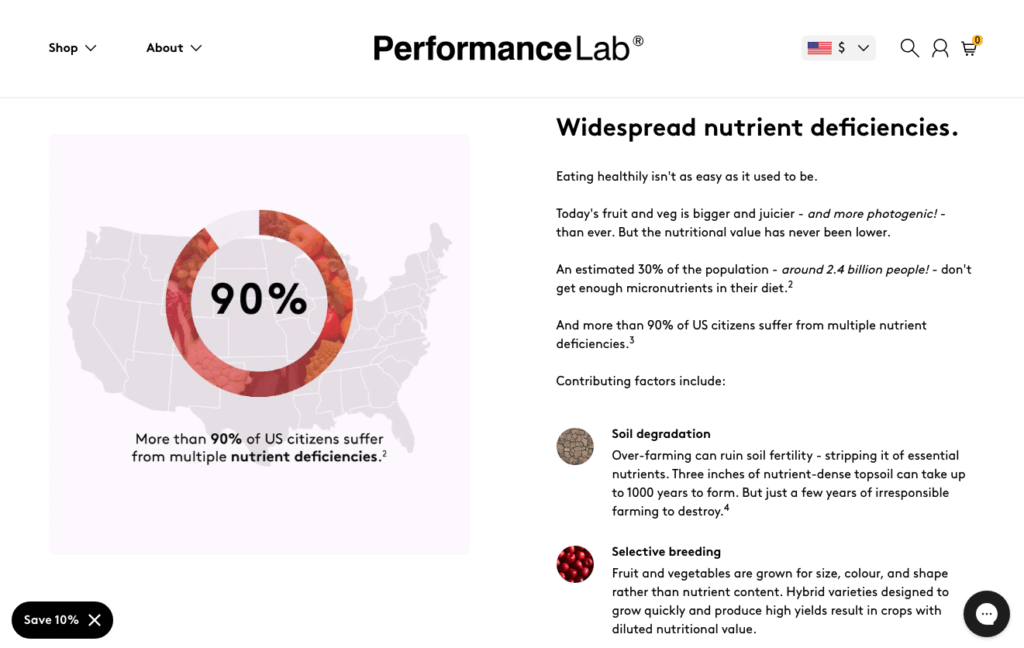
For instance, you can incorporate expertise and trust signals into your blog posts. Performance Lab does this by providing source links for all of the data it quotes. Moreover, it enriches pages with expert quotes that further elevate content authority.
Documentation and knowledge bases
For use-case-specific answers, AI tools will often reference product documentation and branded knowledge bases. Why? Because users turn to AI solutions for pre- or post-purchase assistance.
So, include product documents and help centers in your content strategy. They will benefit your customers at multiple stages of the buyer’s journey. Additionally, they can help your content generate more web traffic through sheer educational usefulness.
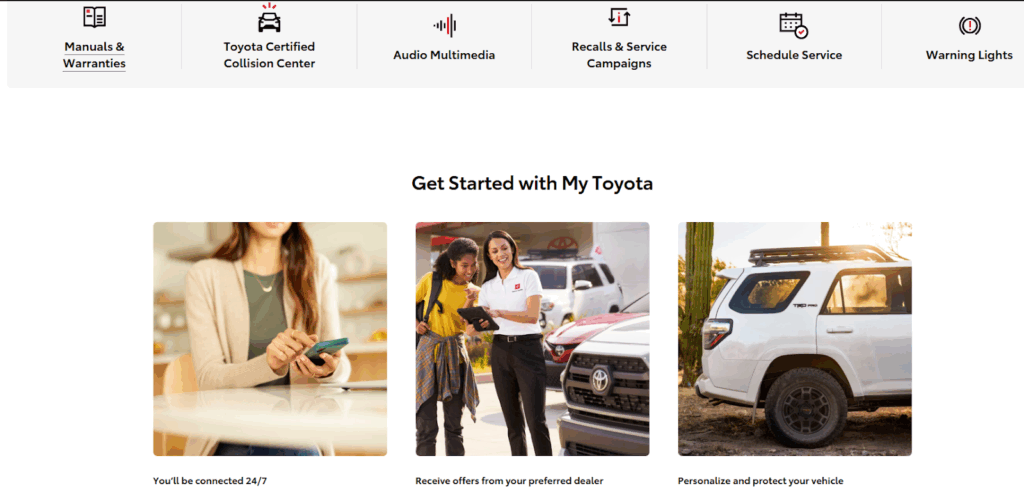
The Toyota Owner hub is a great example of what this can look like in real life. In addition to manuals and warranties, it includes service history info, service scheduling tools, and many additional resources for car owners.
Optimization tips to help your content stand out
Visibility in the age of AI doesn’t just depend on the content formats you produce and distribute. Optimization for LLMs is equally (if not more) important. So, here are a few content creation and optimization tips to help your blog posts stand out.
Formatting tips
- Structure in-depth articles logically. Use clear headings and formatting techniques.
- Practice chunking. Organize resources so that each section covers one distinct idea.
- Be consistent with formatting techniques.
- Don’t be afraid to repeat and summarize key concepts.
- Include EEAT signals on all web pages.
- Regularly refresh resources to ensure timely relevance.
Writing advice
- Always state who your articles are for.
- Explain ideas (especially abstract ones) with examples.
- Use terminology consistently.
- Prioritize readability over brand voice.
- Remember that AI tools don’t consume multimedia and visual content. Text-first wins for visibility.
What to avoid when aiming for SERP & AI visibility
- Language that sounds impressive but is vague.
- Long introductions that don’t define the purpose of the content.
- Promotional copy that doesn’t provide value to the reader.
Conclusion
Standing out in the age of AI with content marketing is entirely possible. Along with content format, your optimization tactics are equally important.
This guide can be a great first step toward appearing in AI-powered search results. But to stay there, your content strategy must remain original, relevant, and valuable to readers.
Need assistance? Codeless can help with content creation, GEO, or both.