



Most leaders start the year with big dreams. They want to dominate the market and double their revenue. But many of these plans end up gathering dust on a shelf. The reason is usually a gap between what they want to do and how they actually do it.
Without numbers to back you up, a marketing plan is just a list of guesses. You might have a great idea for a campaign. But if it doesn’t align with your business objectives, you’re just burning cash. This is where marketing strategy examples come in handy.
In this article, you’ll learn how to bridge that gap. We’ll look at how top brands go from vision to execution by using market research and predictive analytics. We’ll also dive into the tools they use, like artificial intelligence, to reach their business goals.
Highlights
- High-performing marketing strategy examples prove that the gap between vision and execution is bridged by using predictive analytics and market research to guide every decision.
- Building authority through content marketing requires a shift from chasing high-volume keywords to targeting specific, high-intent terms that signal a buyer is ready to purchase.
- Modern customer connections are built on hyper-personalization, where artificial intelligence and shared data experiences turn casual users into vocal brand advocates.
- Success in complex B2B sales depends on a sales and marketing strategy that moves the team from being simple vendors to becoming trusted, consultative partners.
- Strategic execution is an agile loop that requires a robust tech stack, constant A/B testing on landing pages, and a relentless focus on business goals over vanity metrics.
1. The content authority engine: Building long-term SEO value
Many companies think that content marketing is just about writing blog posts. They post once a week and hope for the best. But true authority comes from a deeper content strategy. It’s about being the only source your target market needs.
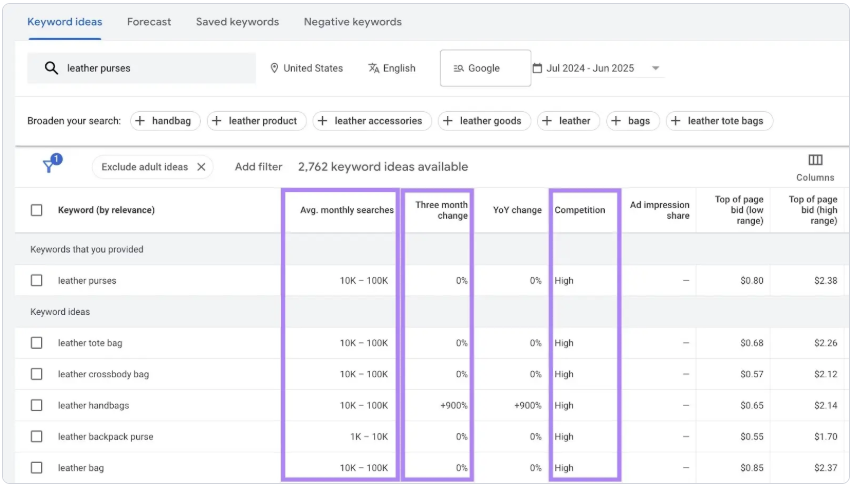
To start, you need to know what people are searching for. Tools like Google Keyword Planner are essential here. You shouldn’t just look for high volume. You need to find the terms that show someone is ready to buy.
For example, a term like “leather purses” has a high monthly search volume. But the search intent is unclear. However, “handcrafted brown leather purses with adjustable straps for travel” shows clear intent. The person searching for this is much closer to making a choice.
When you create content for these specific needs, you become a leader in digital marketing. You provide immediate value to a very specific target audience. This builds trust before you even ask for a sale. It ensures your website traffic is high-quality, not just high in volume.
Using data to drive search rankings
The best marketing strategy examples in SEO focus on solving problems. You want to create content that answers every question a prospect has. This helps you build inbound links naturally. Other sites will link to you because you’re the expert.
You need to focus on your target audience. What are they struggling with today? If you can answer that better than anyone else, you win. This is how you build sustainable website traffic over the long haul.
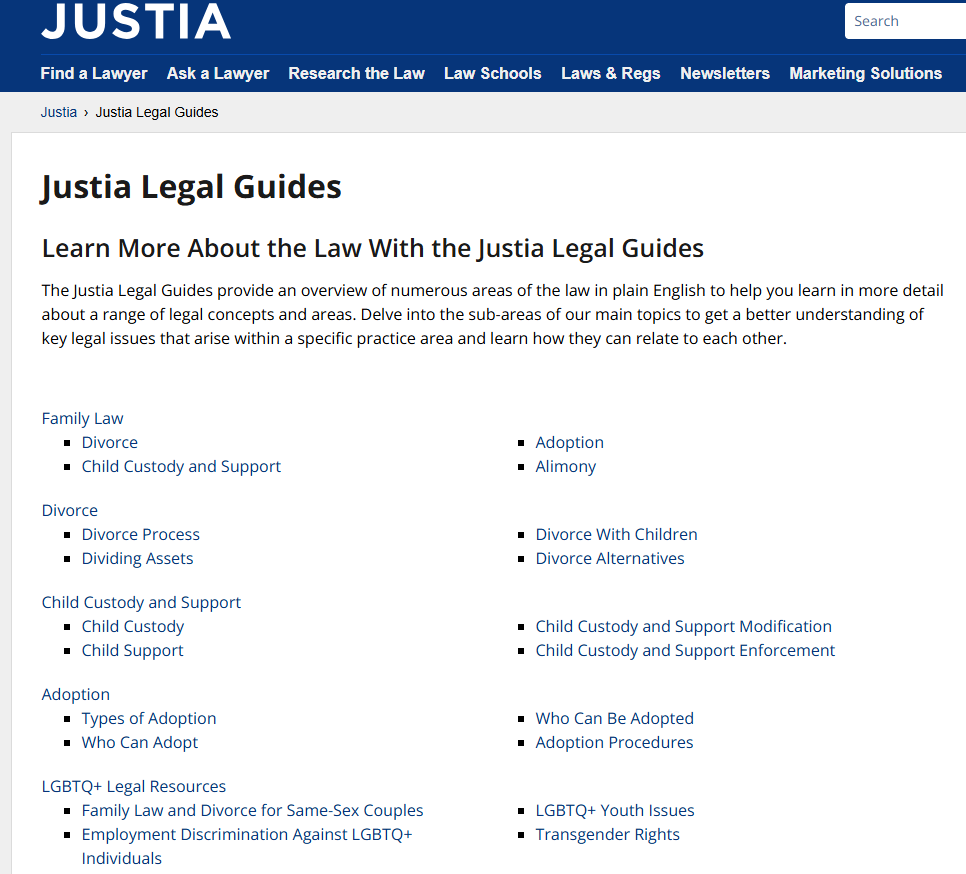
For example, a law firm might use legal marketing tactics to dominate local search. Portals like Justia use comprehensive legal guides to answer specific questions about family law or retirement planning. This helps them attract the right people and turn casual searchers into high-value clients.
Validating your value with proof
B2B companies often use case studies and white papers to demonstrate their expertise. This isn’t just about showing off. It’s about showing a clear value proposition. It proves that your solution actually works in the real world.
Agencies like uSERP help firms take this authority even further. They offer link building for lawyers to ensure that great content actually gets seen by the right people. By earning high-quality backlinks, firms can turn a static landing page into a lead-generating asset. This makes the transition from a simple blog post to a dominant search result much easier.
2. The viral experiential play: Red Bull and the art of stunt marketing
Red Bull doesn’t just sell energy drinks. They sell a lifestyle powered by their famous slogan: “Red Bull Gives You Wings.” This message isn’t about physical flight. It is about giving people the energy and focus to reach their goals. This core belief drives their event marketing to a level very few can match.

Instead of standard digital ads, they create moments that prove their message. This is a mix of guerrilla and experiential marketing. The goal is to build massive brand awareness through action. They understand their target audience wants excitement. By giving them “wings” through these events, they create a bond that a regular commercial never could.
The power of the big event
Think about the Felix Baumgartner jump from space. This was the ultimate viral marketing move. Millions of people watched it live. It wasn’t a commercial. It was a global event that people actually wanted to see.

This kind of street marketing or ambush marketing works because it’s exciting. It generates tons of video content that users share. This leads to a high social media engagement without the brand having to pay for every view.
Keeping the buzz alive
After a big event, you can’t just stop. You need a strong community management plan. Red Bull uses these stunts to fuel their social media marketing for months. They cut the footage into different content formats for every platform.
They track social media metrics to see what sticks. This helps them plan their next move. It’s a loop of content creation and data analysis. They turn one moment into a permanent part of their brand awareness.
3. Hyper-personalization at scale: Spotify’s algorithm-driven retention
Spotify is a master of customer engagement. They don’t just give you music. They give you your music. This is done through predictive analytics and AI features. They know what you want to hear before you do.
Their marketing strategy relies on data to keep you in the app. They use features such as Release Radar and Discover Weekly to deliver consistent value.
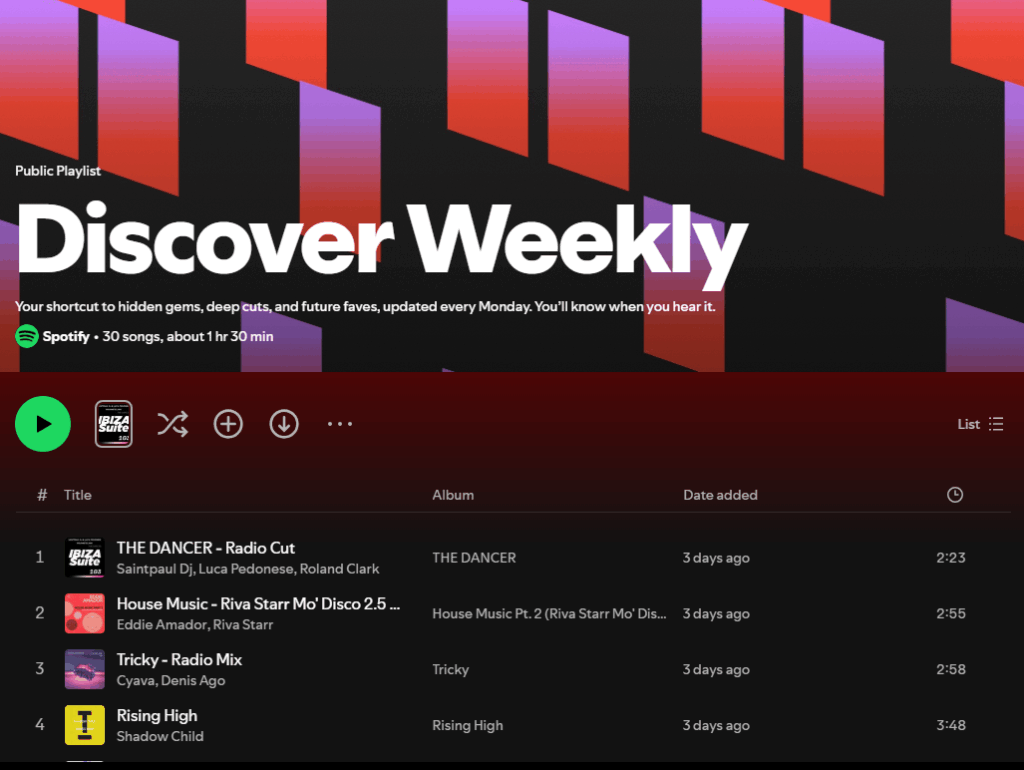
Screenshot provided by the author
Turning users into advocates
One of Spotify’s best moves is using user-generated content. Every year, “Spotify Wrapped” takes over the internet. People love to share their music tastes. It’s a win-win, as it’s free social media marketing for the music platform.
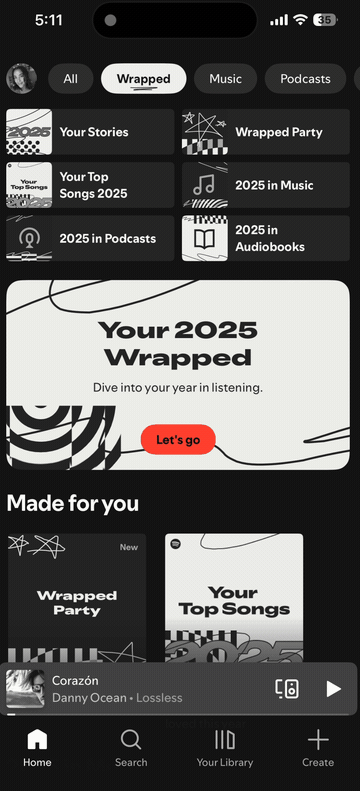
It works because it feels personal. Even though millions of people get a “Wrapped” report, yours is unique. This builds deep customer connections. It makes you feel like the brand really knows you.
Automating the personal touch
They also use marketing automation for email sending to deliver personalized marketing notes. If your favorite artist drops a song, you get an email. This drives users back to the app instantly. It’s a perfect retargeting strategy.
4. The integrated social commerce play: Leveraging influencers and shoppable media
The line between social media and shopping is disappearing. Brands are now selling directly inside apps. This is called social commerce. It uses influencer marketing to build trust and drive fast sales.
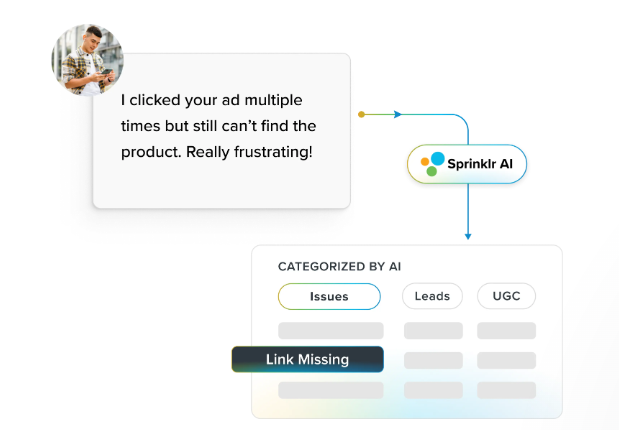
To do this well, you need a strong social media management system. Tools like Sprinklr help brands manage this at an enterprise-grade scale. It’s about being present and responsive across all marketing channels.
Using influencers to build trust
People trust people more than brands.
A 2024 Trust in Influencer Marketing Report by Izea found that 51% of respondents had bought a product after seeing it used by an influencer. It also reveals that influencers now reach over 80% of social media users aged 18–60. This is why influencer marketing can be beneficial for your marketing strategy.
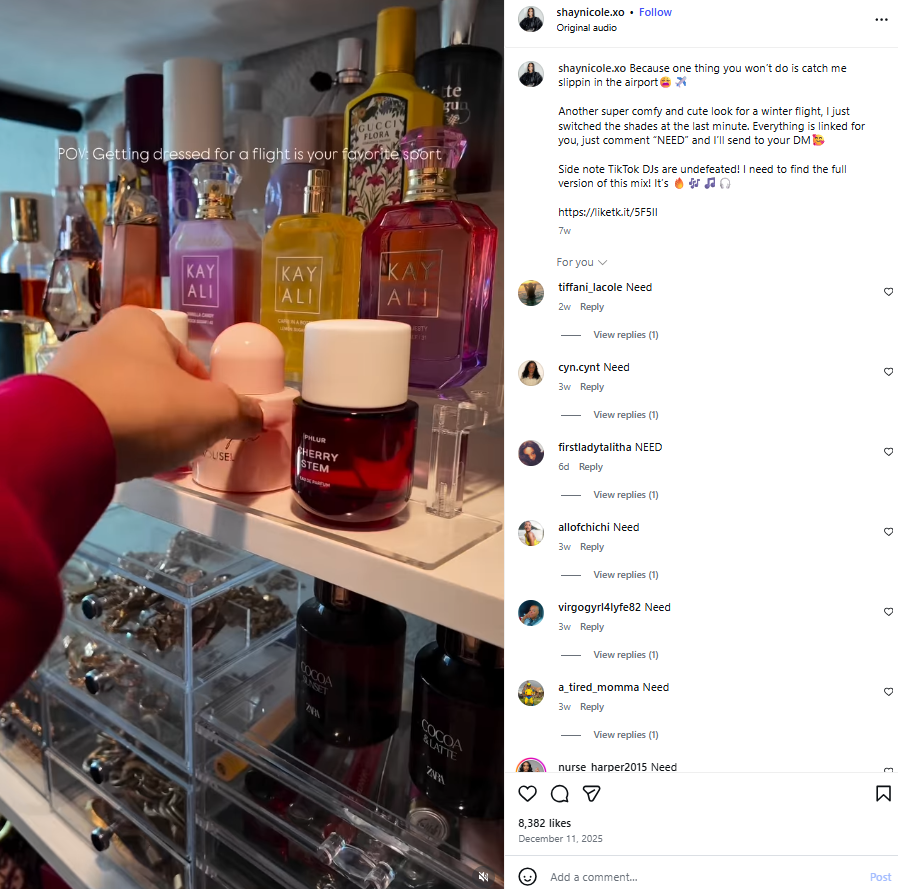
Instead of pushing polished brand messages, companies partner with creators who already have their audience’s trust and attention. This allows those creators to promote products in a way that feels authentic and relatable.
Making it easy to buy
Once a user is interested, you have to make the purchase easy. Shoppable videos and Facebook Ads with “Buy Now” buttons are key. You want to reduce the friction between seeing a product and owning it.
This strategy often includes Google Ads and search PPC ads to catch people who are actively looking. By combining organic social with digital ads, you cover the whole journey. This can lead to higher conversions on your landing pages.
5. High-touch value-based selling: The B2B enterprise strategy
In the B2B world, the sales process is much longer. You can’t just run a few Facebook ads and expect a million-dollar deal. You need a sophisticated sales and marketing strategy. This often involves value-based selling.
This approach focuses on the results you can deliver. When you’re selling a tool, you’re selling a solution to a problem.
This is where frameworks like SPIN selling (a questioning technique using situation, problem, implication, and need-payoff) and Challenger selling (where sellers challenge a customer’s thinking to help them reach business goals) come in.
Consulting instead of selling
Top-tier sales teams act more like consultants. Think about the way specialists at a high-end tech store (like Apple) operate. They don’t just sell you a computer. They try to figure out what you’re trying to fix.
Use your market research to understand their world. Then you show them a case they simply can’t ignore.
Scaling the personal approach
Even in high-touch sales, you need technology. An AI CRM helps you track every interaction. You can see which case studies a prospect has read. And you can see when they visited your landing page.
This data helps you time your outreach perfectly. You can use referral marketing to get introduced to new leads. By showing client success stories, you prove that you’ve done it before. It makes the “ask” much easier.
Bridging the gap: How to build your own marketing plan
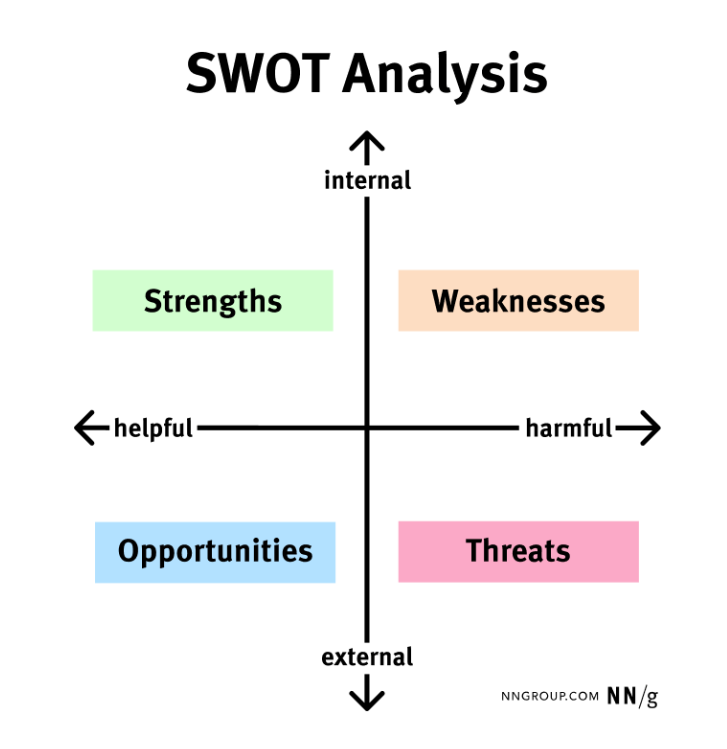
Now that we’ve seen the examples, how do you start? You need a solid foundation. This begins with a SWOT analysis. You need to know your strengths, but you also need to know the competitive landscape.
Audience segmentation is essential for turning broad marketing efforts into focused, high-impact campaigns. By grouping audiences based on intent, behavior, and preferences, brands can tailor messaging, channels, and timing for maximum relevance.
For example, Cruise America, an RV rental company in Los Angeles, segments travelers by trip type and planning stage. First-time renters may be targeted through educational blog content, while experienced RV travelers see paid ads and social media offers.
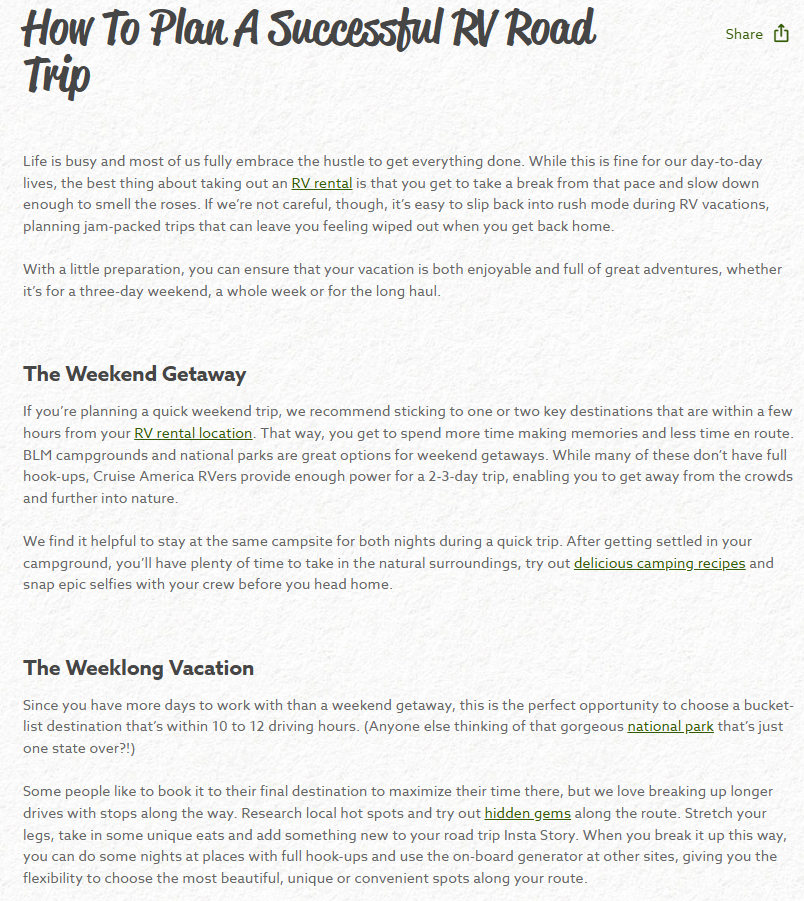
This multi-channel, segment-led approach improves engagement, reduces wasted spend, and drives higher-quality bookings.
Knowing your audience
You can’t talk to everyone. You need to define your target market clearly. What are their pain points? Where do they hang out online? Use social media engagement data to find out.
Once you know who they are, you can create a better value proposition. This is important for your marketing strategy. It’s the reason why someone should choose you over a competitor. Make sure it’s clear and compelling.
Building your tech stack
You need the right tools to execute your broader strategy. This includes marketing automation tools to handle repetitive tasks. It also includes intake forms to catch every lead. Without the right tech, you’ll get overwhelmed.
Don’t forget about local marketing. Even if you’re a global brand, you still need to show up in local searches. SOCi reports that 80% of U.S. consumers look up local businesses at least once a week, and 32% do it daily. This makes local search a consistent part of the buying journey.
Optimizing your Google Business Profile and investing in local SEO helps ensure your brand appears when high-intent customers are actively looking.
Measuring what matters
Finally, you need to track your social media metrics and website traffic. Focus on your business goals. Are you making more money? Are your customers staying longer?
A/B test your landing pages to see what works. Small changes can lead to big wins.
Ready to turn your marketing vision into reality?
Marketing moves fast. New AI tools and features are coming out every day. But the heart of a great marketing strategy remains the same. You have to know your customers and give them real value.
We’ve looked at five marketing strategy examples today. We’ve seen that top performers use data to turn a vision into a reality. They use digital marketing to meet people where they live. You can do this too. Start by looking for gaps in your own marketing plan. Fix the data. Then watch your business grow.
Ready to take your strategy to the next level? Don’t leave your growth to chance. Book a call with Codeless today to optimize your approach. We’ll help you scale your results and hit your business goals. Let’s turn your vision into a real plan that actually works.